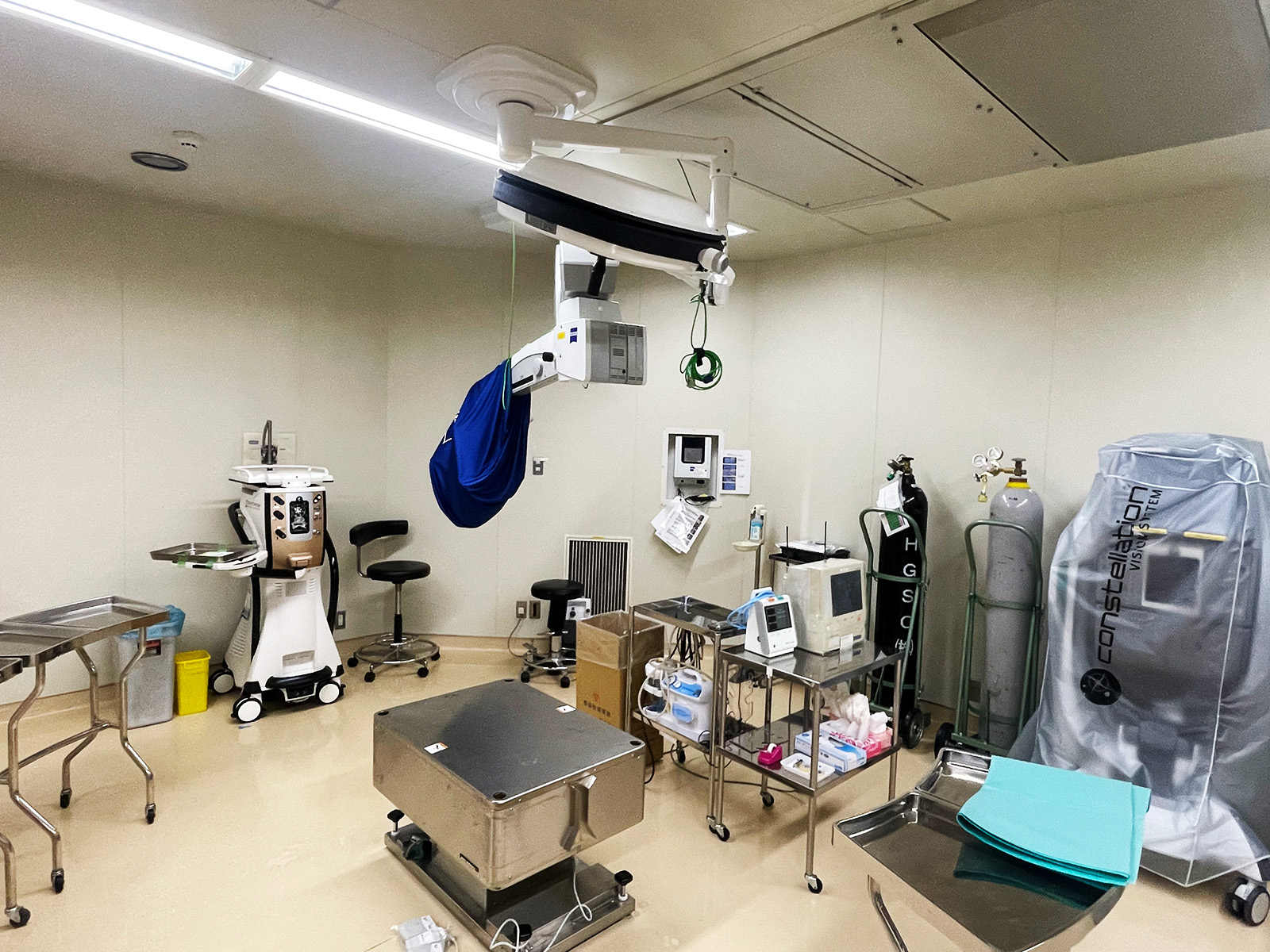
Power infrastructure designed not to interrupt cataract surgery
The CENTURION Vision System is a precision surgical platform that continuously coordinates aspiration, irrigation, pressure control, sensors and computer control. Its power risk is not limited to a complete blackout. A momentary outage, voltage sag, lightning surge or restoration surge can also trigger a protective stop or restart.
Power protection for an operating room therefore requires more than a few minutes of battery backup. The design must prevent disturbances on the utility supply from reaching the surgical system, maintain power without a transfer interruption, and provide sufficient time for staff to assess and respond if an outage continues.
Power protection for medical equipment is not only a recovery system.
It is infrastructure designed to prevent a stop event during surgery.
The power risks reviewed by Shinnagata Eye Hospital
Shinnagata Eye Hospital reviewed its existing power configuration to protect the cataract surgery system from momentary outages, voltage sags and surges. Installing a UPS alone does not eliminate risk. Battery degradation, internal UPS failure, an unprotected point in the power path, or voltage instability during restoration can become another single point of failure.
- Momentary outages and voltage sags
- Lightning and restoration surges
- Battery deterioration in an existing UPS
- The UPS itself becoming a single point of failure
- 0 ms uninterrupted output
- Stable sine-wave output with low distortion
- Expandable battery capacity
- Continuous post-installation visibility
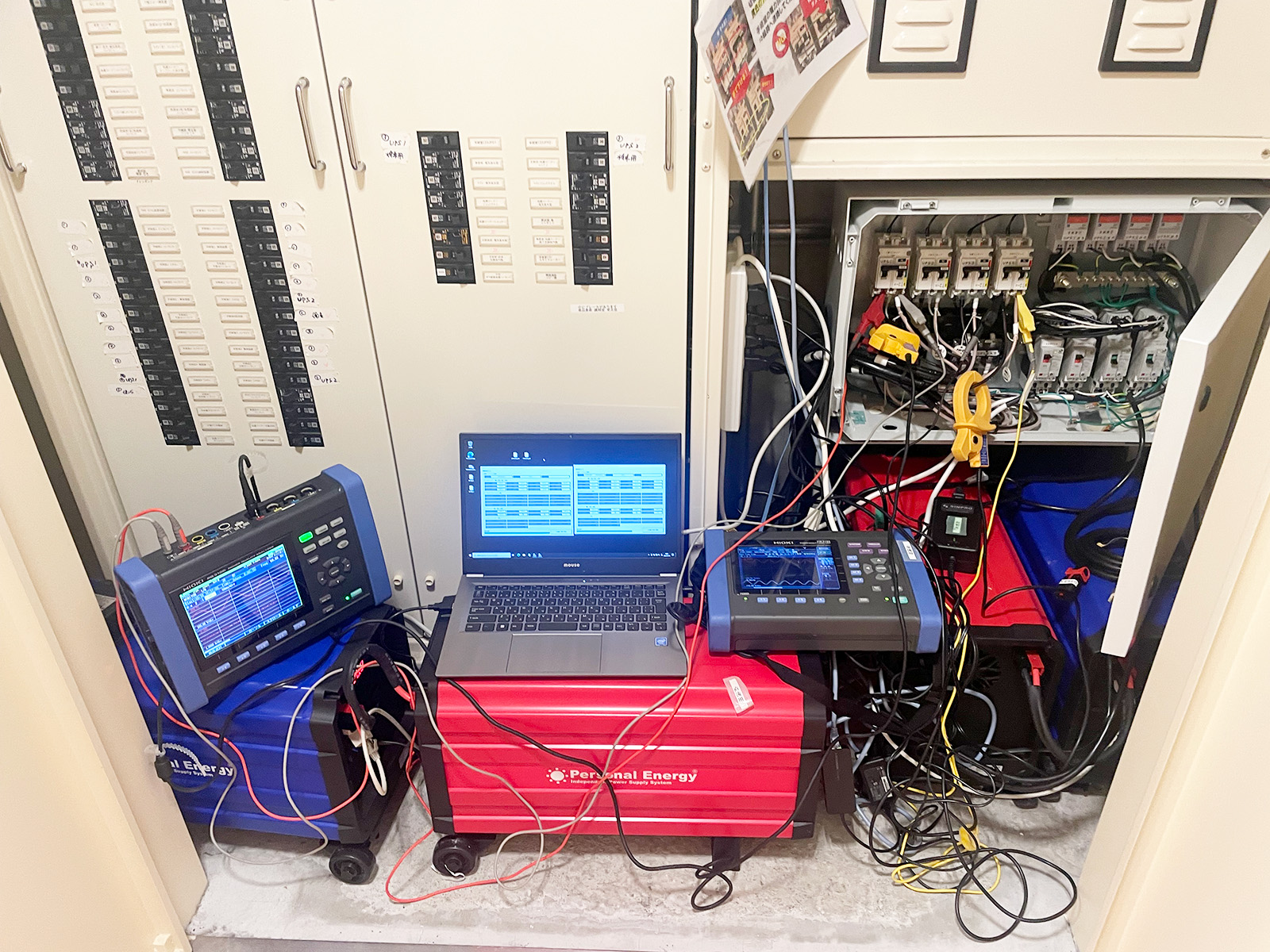
A configuration using two HPPHBB0101 units
On June 22, 2022, two HPPHBB0101 portable UPS units were installed at Shinnagata Eye Hospital. The bidirectional inverter separates the protected load from disturbances on the utility supply and maintains output with a 0 ms transfer during a momentary outage or blackout.
The system was configured by reviewing not only steady-state consumption, but also startup behavior, associated equipment, required runtime and installation conditions.
Utility power
  ↓
Two HPPHBB0101 units
  ├─ 0 ms uninterrupted output
  ├─ Bidirectional inverter
  ├─ Pure sine wave / low distortion
  └─ Expandable battery capacity
  ↓
CENTURION Vision System and associated equipment
A supply interruption does not create a transfer gap at the protected surgical system.
Voltage and waveform are stabilized while the protected load is isolated from utility disturbances.
If an outage continues, the system provides time for assessment and an orderly operational response.
Five-year warranty and 24/7 remote monitoring
A UPS in a healthcare facility does not complete its role when it is installed. Battery condition, inverter status, input power and load behavior must remain visible so that early warning signs can be identified before they become an operational event.
The HPPHBB0101 units in this case carry a five-year product warranty. As of July 2026, the system has been operating for more than four years since the June 22, 2022 installation and remains within the warranty period.
In addition, Kei Communication Technology monitors the power equipment at Shinnagata Eye Hospital 24 hours a day, 365 days a year. Continuous status checks support early detection of changes and faster initial response rather than waiting for a visible failure.
Long-term operation is supported by product warranty coverage, subject to the applicable warranty and contract terms.
Continuous checks reduce the risk of missed warning signs and support a faster operational response.
The value of a healthcare UPS is not limited to operating during a blackout.
Warranty and monitoring protect the operating environment every day.
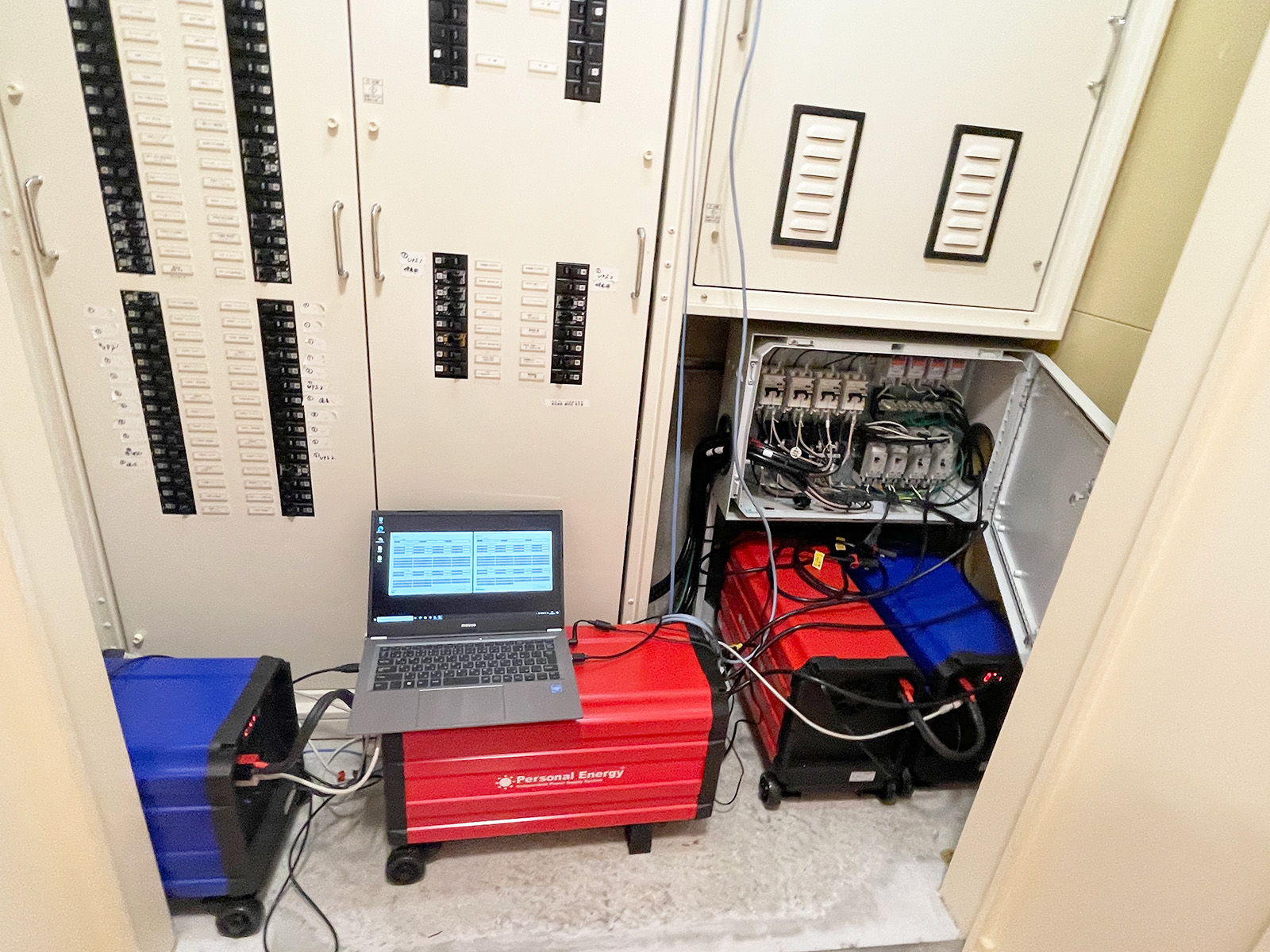
More than four years of operation
Power infrastructure cannot be evaluated only by its commissioning test. Operational evidence is built by passing through daily surgical use, seasonal power conditions, lightning, voltage sags, maintenance outages and battery aging while continuing to provide the required function.
The system has operated for more than four years from June 22, 2022 through July 2026. Within the scope of information available to us, no shutdown of the CENTURION Vision System caused by power quality has been reported since installation.
| Date | Operational status | Significance |
|---|---|---|
| June 22, 2022 | Two HPPHBB0101 units installed | Uninterrupted power and power-quality protection initiated |
| After installation | 24/7 remote monitoring | Continuous visibility and faster response to changes |
| July 2026 | More than four years in service and still within warranty | Long-term operation combining product performance, warranty and monitoring |
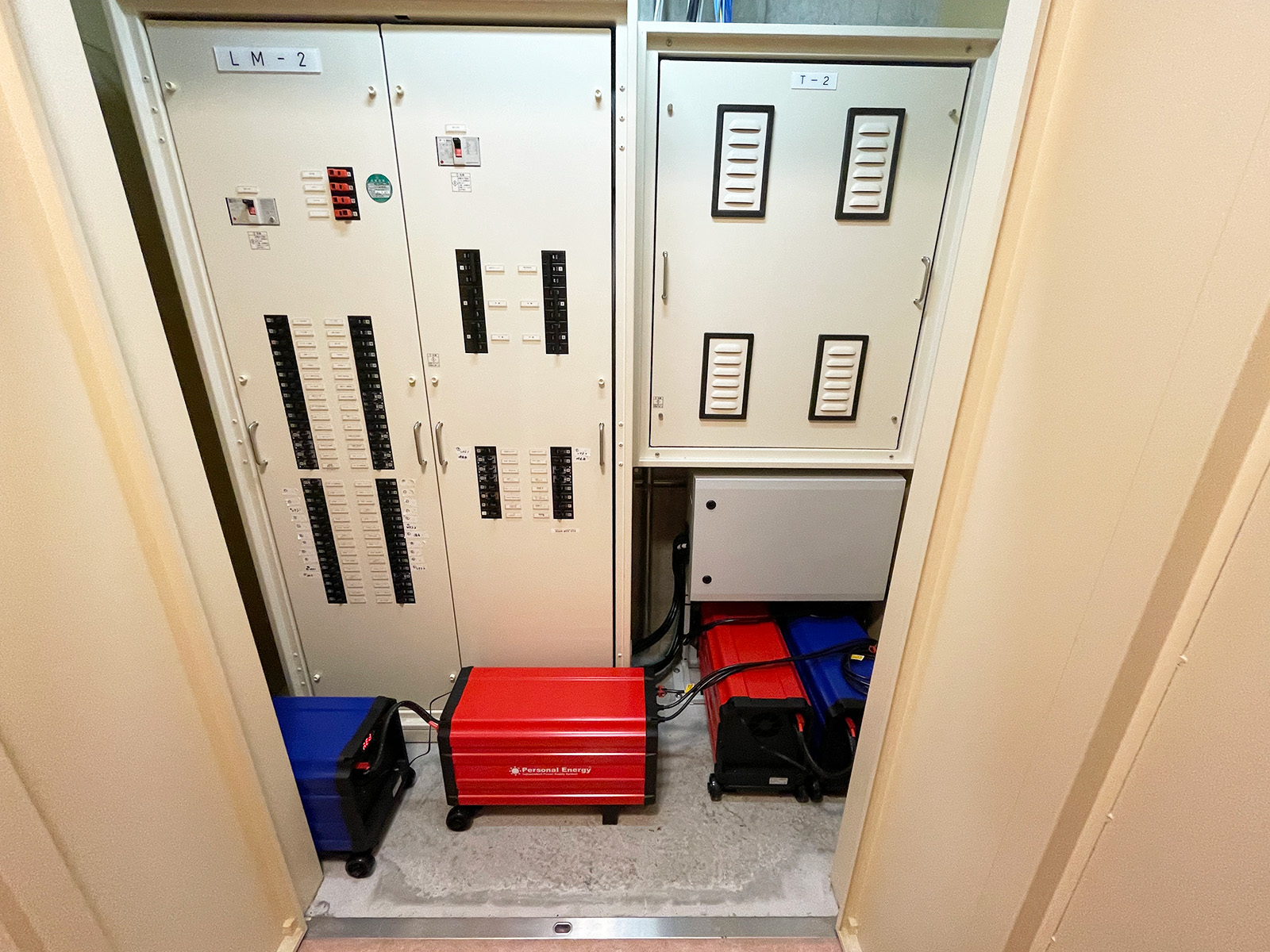
Key design points for medical equipment power
The central value of this project is not simply that two UPS units were installed. Power quality, required runtime, monitoring, warranty, and maintenance were designed as one operating system around the clinical function that must not stop.
- Cataract surgery systems
- Surgical microscopes
- Endoscopy and diagnostic systems
- Electronic medical records and imaging terminals
- Operating-room communications and monitoring
- Steady-state and startup load
- Required no-break performance and runtime
- Grounding, leakage current, and EMC conditions
- Manufacturer-specified connection and operating conditions
- Installation environment, inspection, maintenance, and monitoring method
Deployment Summary
| Customer | Shinnagata Eye Hospital |
|---|---|
| Installation date | June 22, 2022 |
| Protected system | CENTURION Vision System and associated equipment |
| Installed equipment | Two HPPHBB0101 portable UPS units |
| Key functions | 0 ms no-break output, bidirectional inverter, pure sine wave, expandable battery capacity |
| Product warranty | Five years |
| Operations | 24/7 remote monitoring by Kei Communication Technology Inc. |
| Operating record | More than four years in service as of July 2026 |
Revision History
| 2026-07-27 | English page published. |
|---|---|
| 2026-09-25 | Synchronized with the Japanese CaseSpec V9.1 source, including Case Answer, scope and constraints, operating facts, related articles, and Case Stock output. |