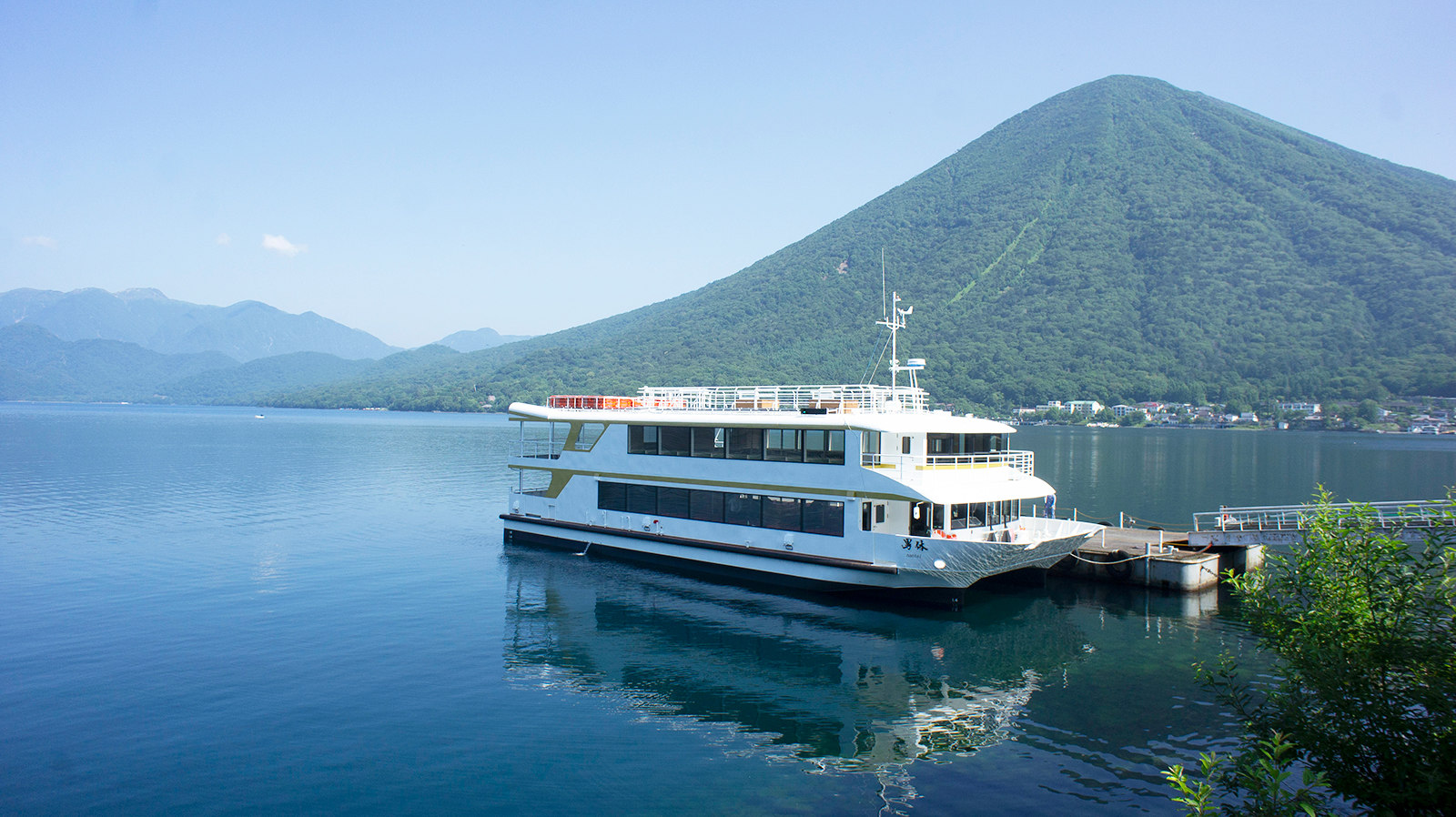
Entered service in 2017 and remains in scheduled operation in 2026
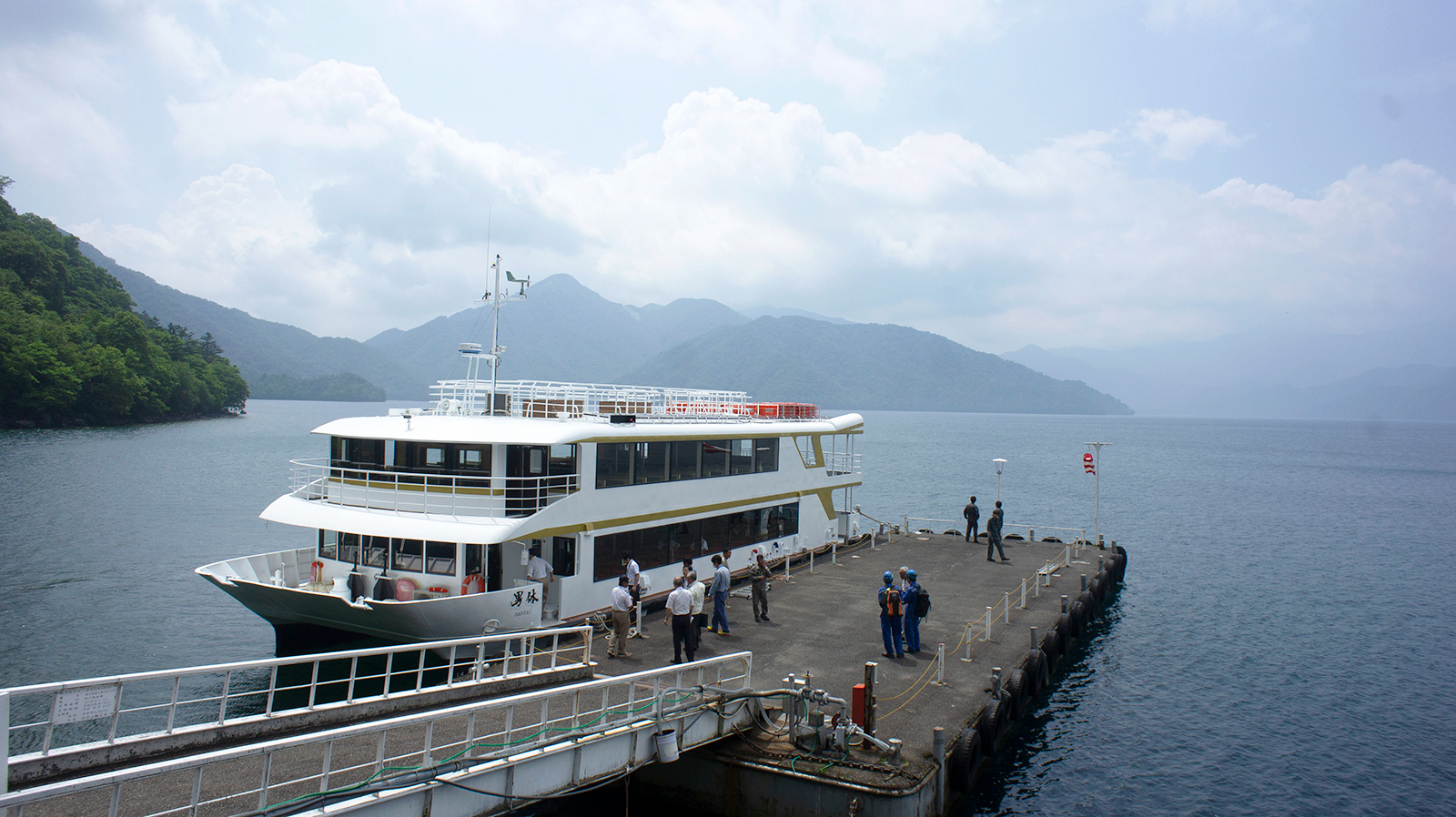
On August 10, 2017, the new sightseeing vessel Nantai entered service on Lake Chuzenji in Nikko, Tochigi Prefecture. It carries Personal Energy, an off-grid power system that uses solar generation as its primary source.
As of July 2026, Nantai continues to operate on scheduled Lake Chuzenji services. A system initially recognized for its novelty has become a long-term operating record embedded in routine sightseeing service nearly nine years later.
The value of engineering is not settled on the day a system is installed.
An operating record is built by continuing service season after season.
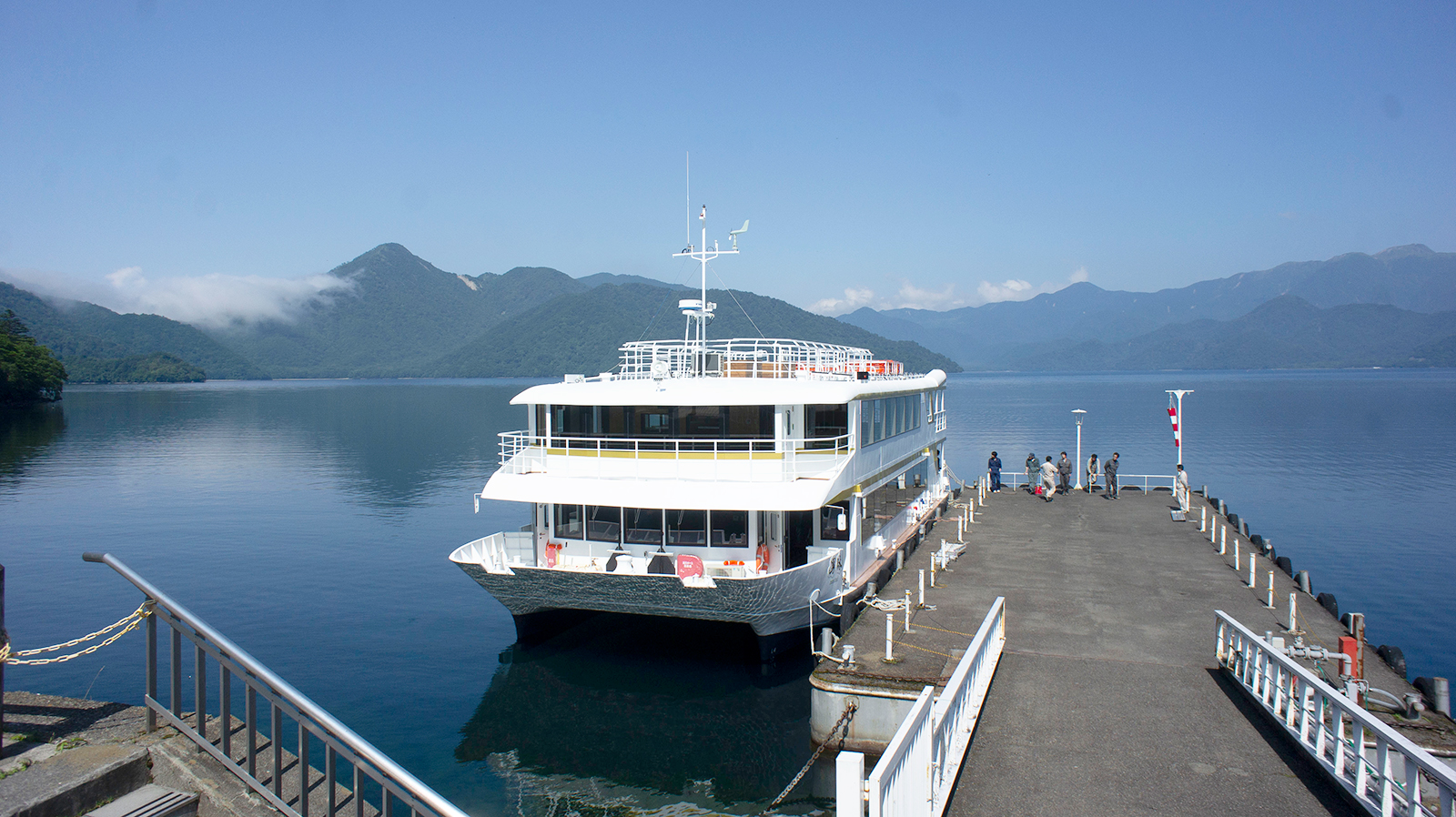
Separating onboard service loads before “decarbonization” became the label
A primary reason for adopting off-grid power on Nantai was to protect the natural environment of Lake Chuzenji in Nikko National Park while maintaining convenience and comfort for passengers.
The off-grid system does not power the vessel’s propulsion engines. It supplies passenger-service equipment such as cabin lighting, Wi-Fi, information displays, and passenger outlets.
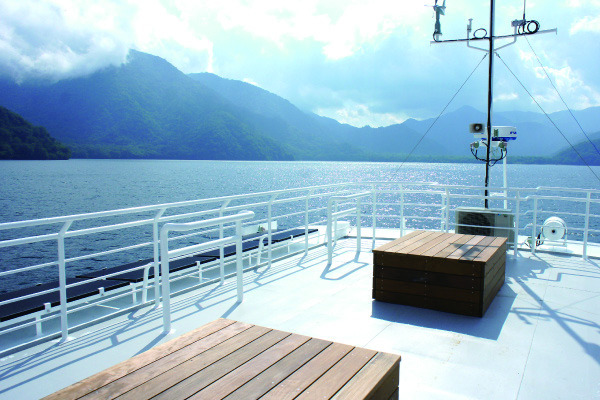
Solar panels installed on the upper deck serve as the primary source. Personal Energy combines battery storage and an inverter to supply the electricity required by these onboard services. By creating an electrical system independent of propulsion, 100% of the onboard service power is supplied through the off-grid system.
When solar generation is insufficient because of cloud or rain, power from the onboard generator is rectified and processed by Personal Energy, then supplied to passenger equipment with stabilized voltage and waveform. This arrangement allows the system to prioritize weather-dependent solar energy while continuously supplying stable power to passenger lighting, outlets, and communications equipment.
The effect is especially significant while the vessel is berthed and passengers are boarding or disembarking. Because the generator does not need to remain running solely for passenger services, the engine can be stopped at the pier, enabling zero-emission operation for those onboard services.
The system also reduces the characteristic noise, vibration, and exhaust odor of a diesel engine. Passengers can experience the clear air, quiet, and waterside scenery of Lake Chuzenji without those disturbances.
Do not keep an engine running at the pier solely for onboard services.
One power system improves both environmental performance and the passenger experience.
Main engines
  └─ Propulsion

Solar generation + battery + inverter
  ├─ 52 passenger outlets
  ├─ Cabin LED lighting
  └─ Wi-Fi and information systems
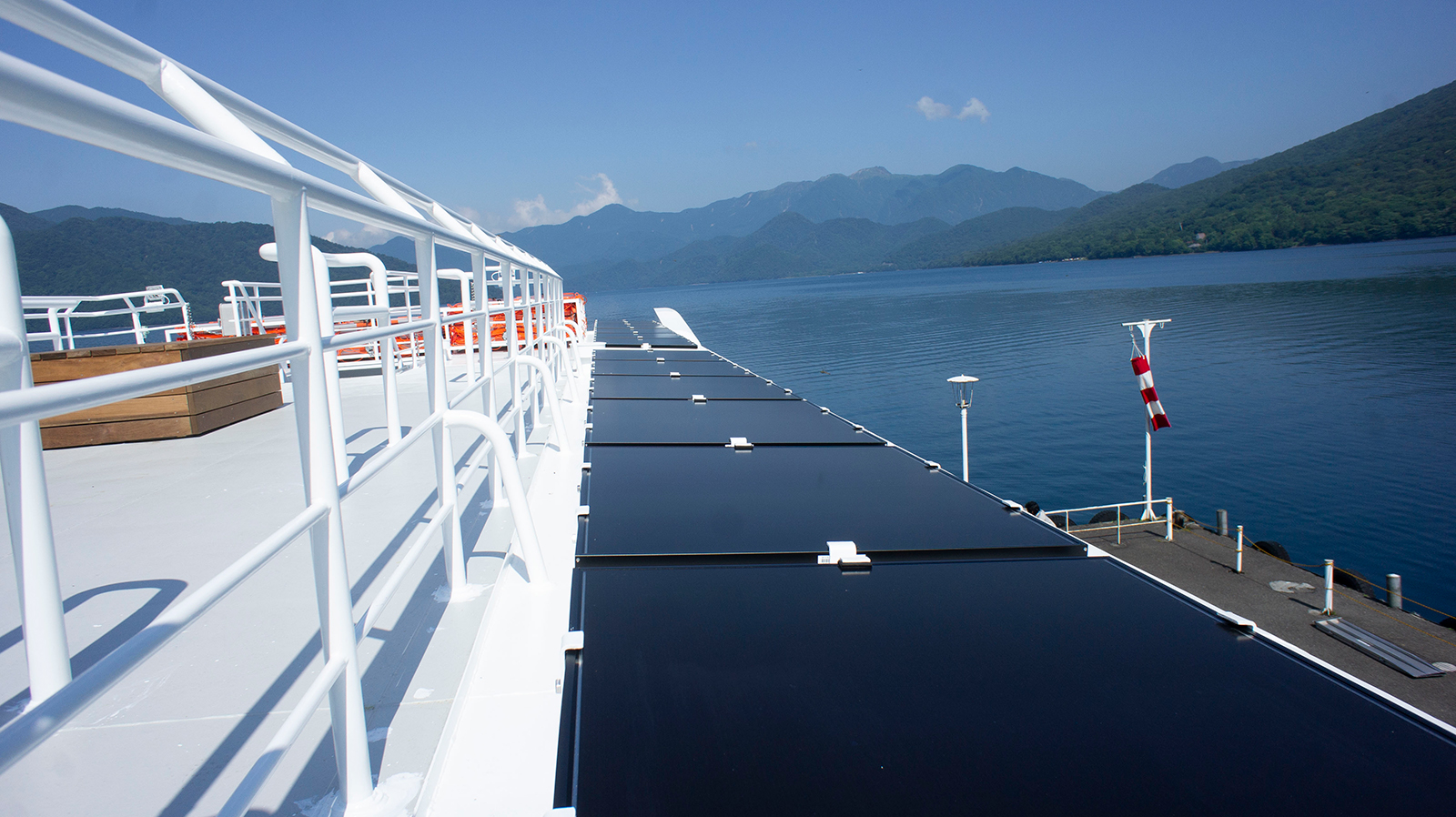
4.2 kW solar + 2.4 kWh battery + 3 kW AC output
Nantai carries twenty-four 175 W CIS compound solar panels with a combined capacity of 4.2 kW. Generated DC power is stored in the battery system and supplied onboard as up to 3 kW of AC power.
| System | Personal Energy® BMS576 |
|---|---|
| Solar generation | CIS compound type, 175 W × 24 panels = 4.2 kW |
| Battery | Olivine-structure lithium iron phosphate battery |
| Storage capacity | 2.4 kWh |
| Maximum DC input | 4 kW |
| Maximum AC output | 3 kW |
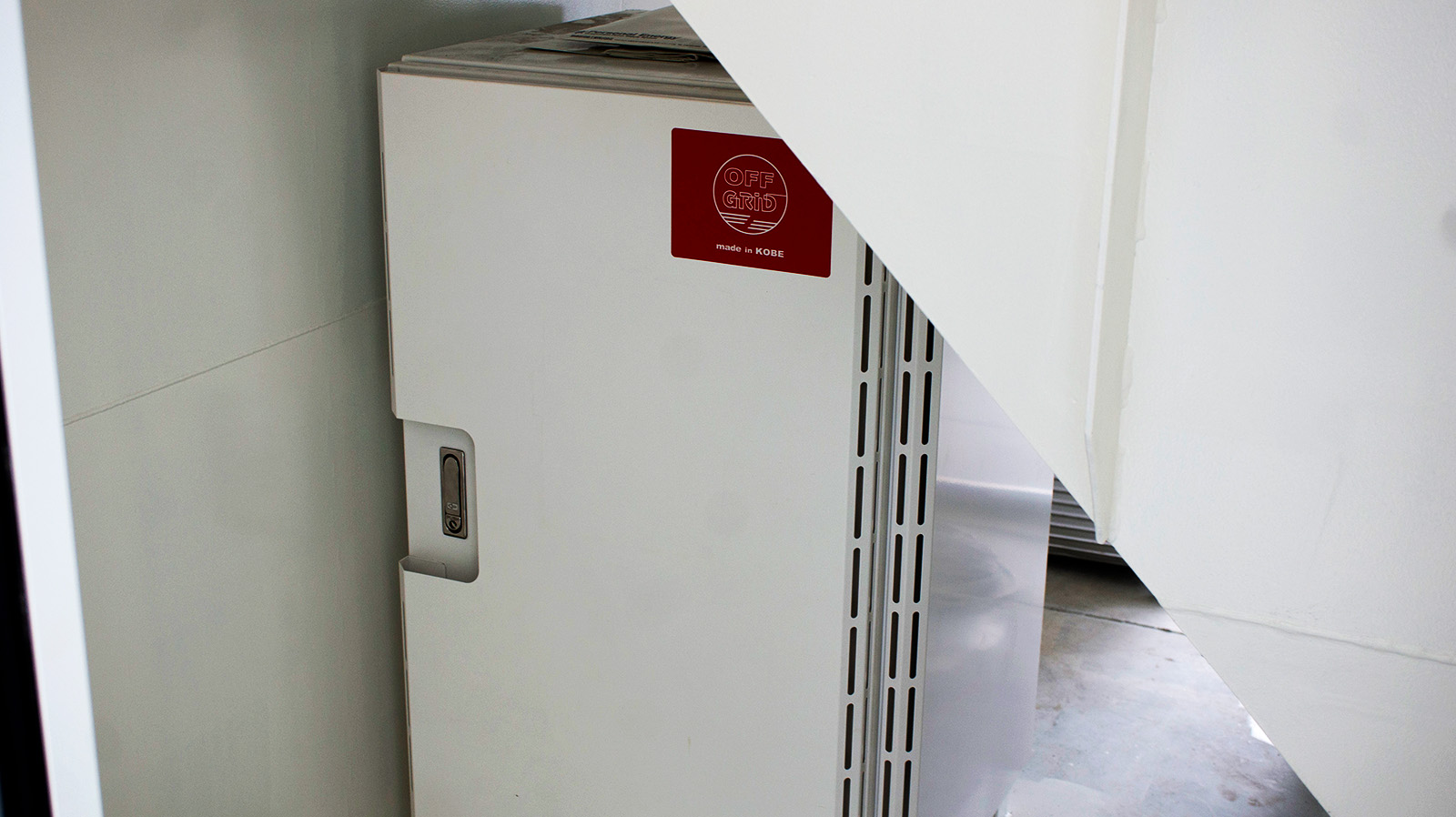
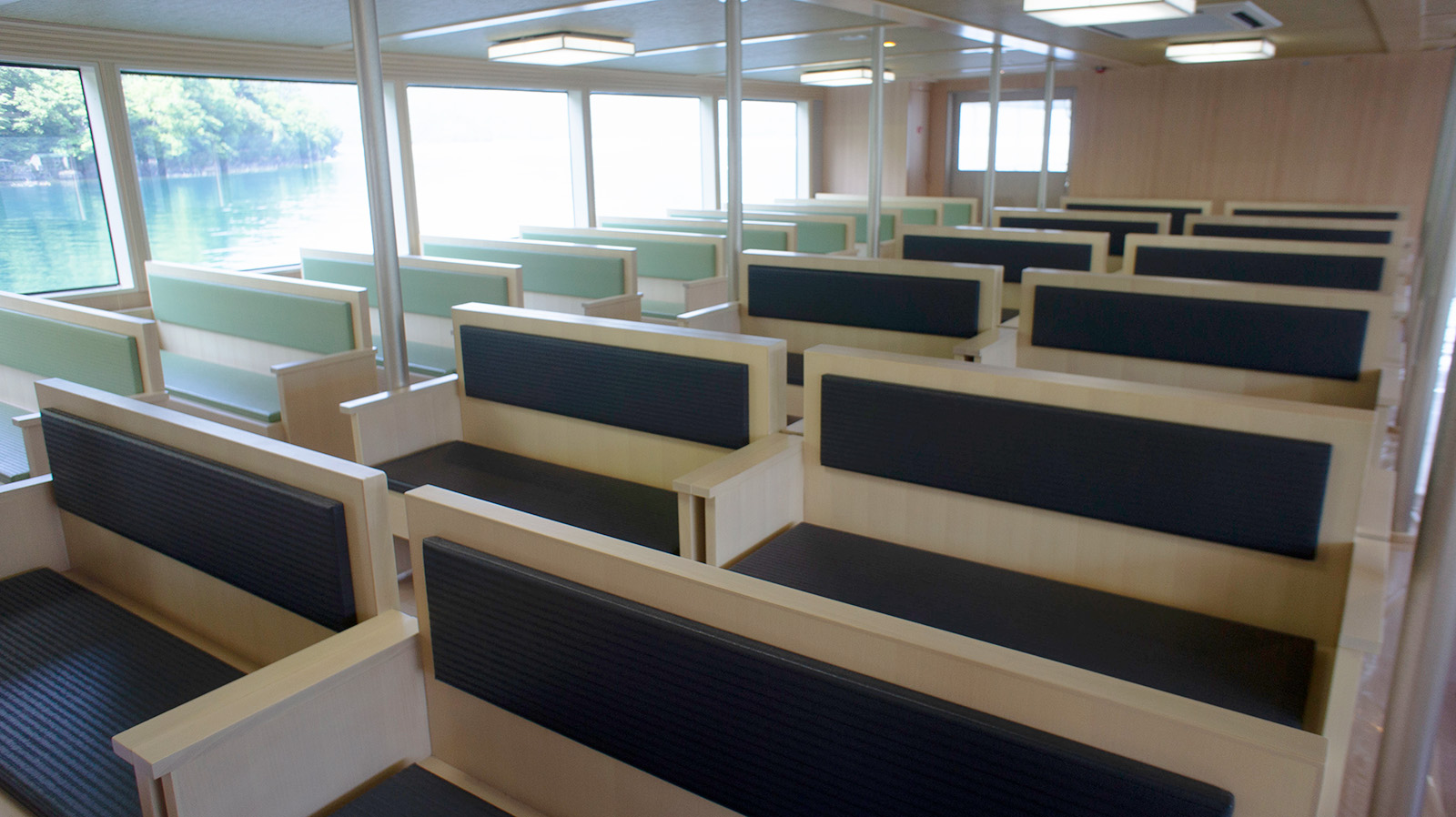
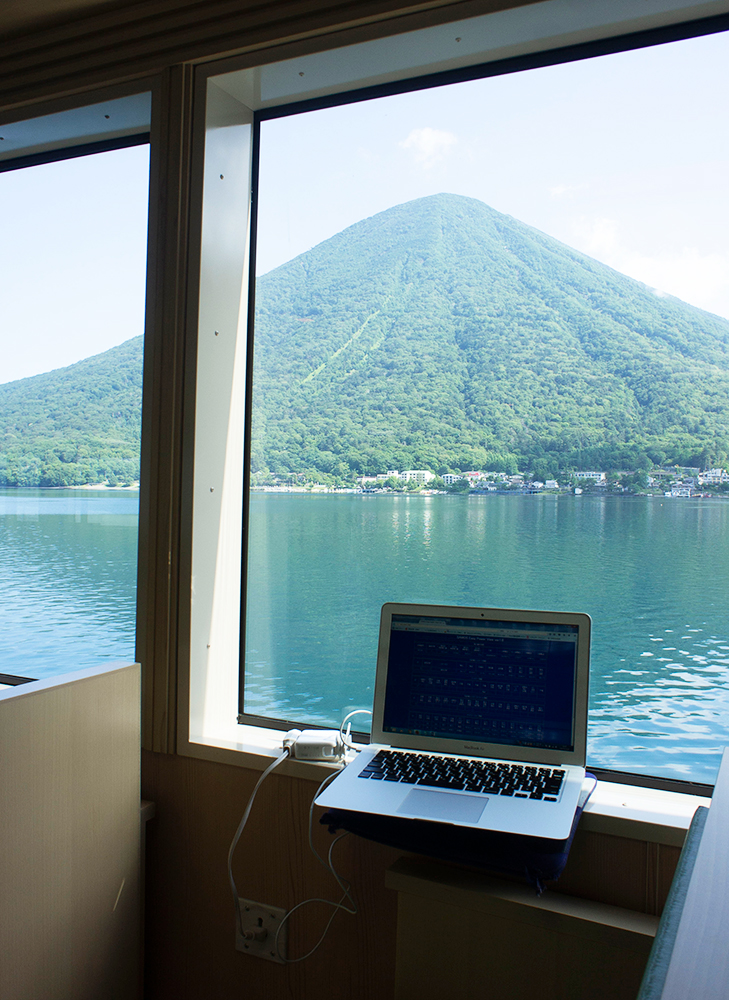
Stable sine-wave power for 52 passenger outlets
The vessel has 52 passenger outlets, all supplied by the off-grid system along with cabin LED lighting and Wi-Fi. Smartphones, computers, cameras, and AC adapters connected by passengers can be sensitive to voltage fluctuations and waveform quality.
The system uses a telecommunications-grade inverter of the type deployed in data centers and communications facilities. Renewable-energy sourcing and the delivery of stable voltage, frequency, and sine-wave power were treated as separate engineering requirements.
Solar generation and battery storage determine how much energy is available.
The inverter and controls condition the voltage, frequency, and waveform supplied to equipment.
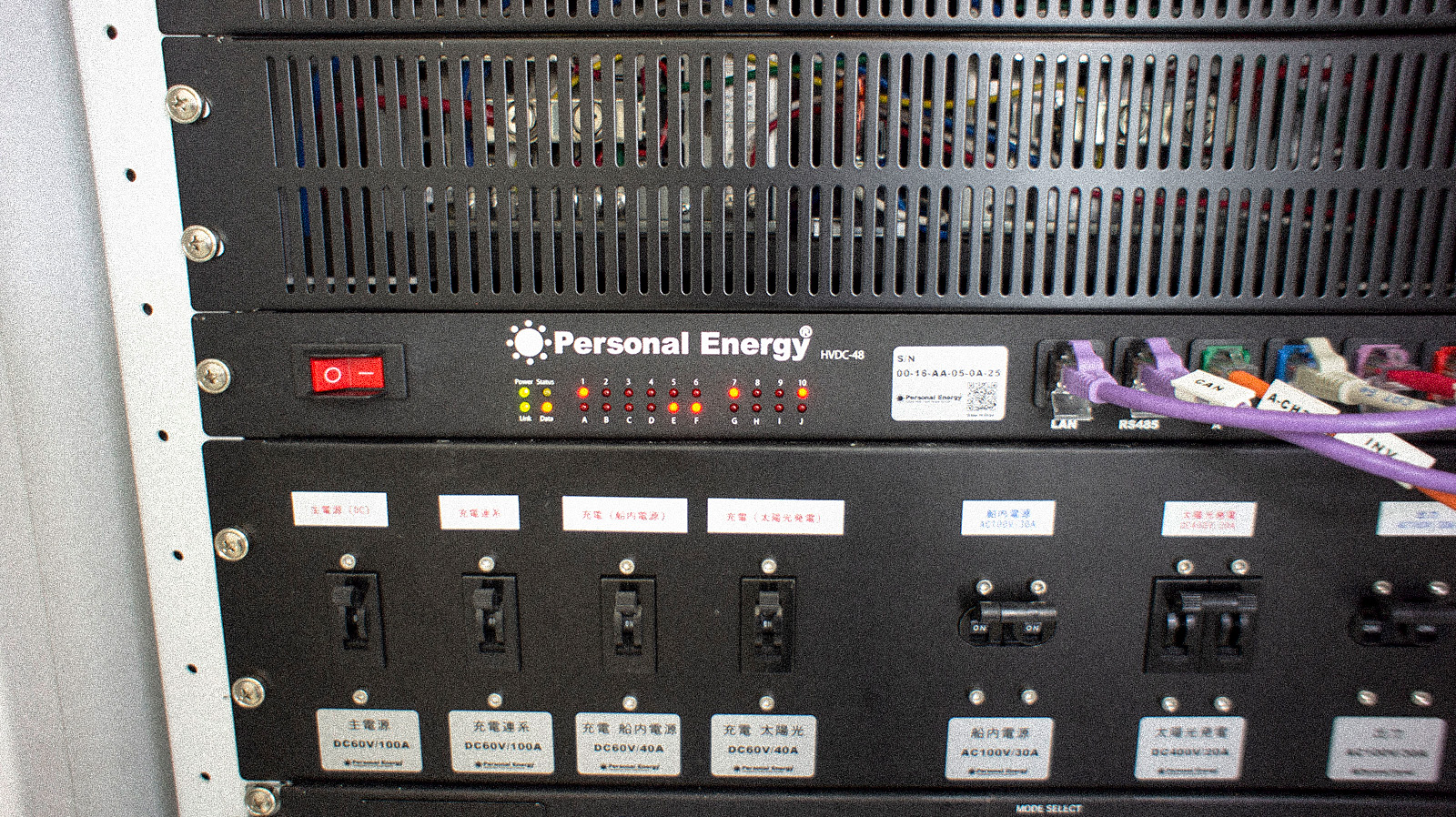
Using the onboard generator as an auxiliary input in poor weather
Passenger power cannot be suspended simply because the weather changes. When prolonged cloud or rain makes solar generation and stored energy insufficient, power from the onboard generator is fed into Personal Energy.
Rather than connecting generator power directly to passenger loads, the off-grid system rectifies and converts it before supplying stable AC power. Solar remains the primary source, while the existing generator provides backup.
Normal operation
Solar → Battery and inverter → Passenger loads

Insufficient solar generation
Onboard generator → Rectification and power conversion → Passenger loads
Prioritize renewable energy.
But do not leave passenger-service availability to the weather.
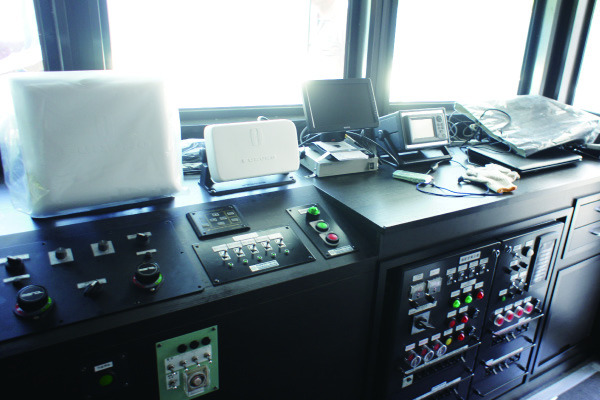
The scope of zero-emission operation at berth
In this case, “zero emissions at berth” means supplying passenger outlets, cabin lighting, and communications equipment from solar generation and stored energy while the vessel is berthed, without running the diesel generator solely to obtain that electricity.
During boarding and disembarkation, this reduces generator exhaust, noise, and vibration, combining the quiet environment of Lake Chuzenji with a more comfortable passenger experience.
- Passenger outlets while berthed
- Cabin LED lighting
- Wi-Fi and information equipment
- Generator operation solely for these loads
- Vessel propulsion
- Main-engine fuel consumption
- All onboard loads while underway
- Whole-vessel lifecycle emissions
The technical meaning of nearly nine years in a lake environment
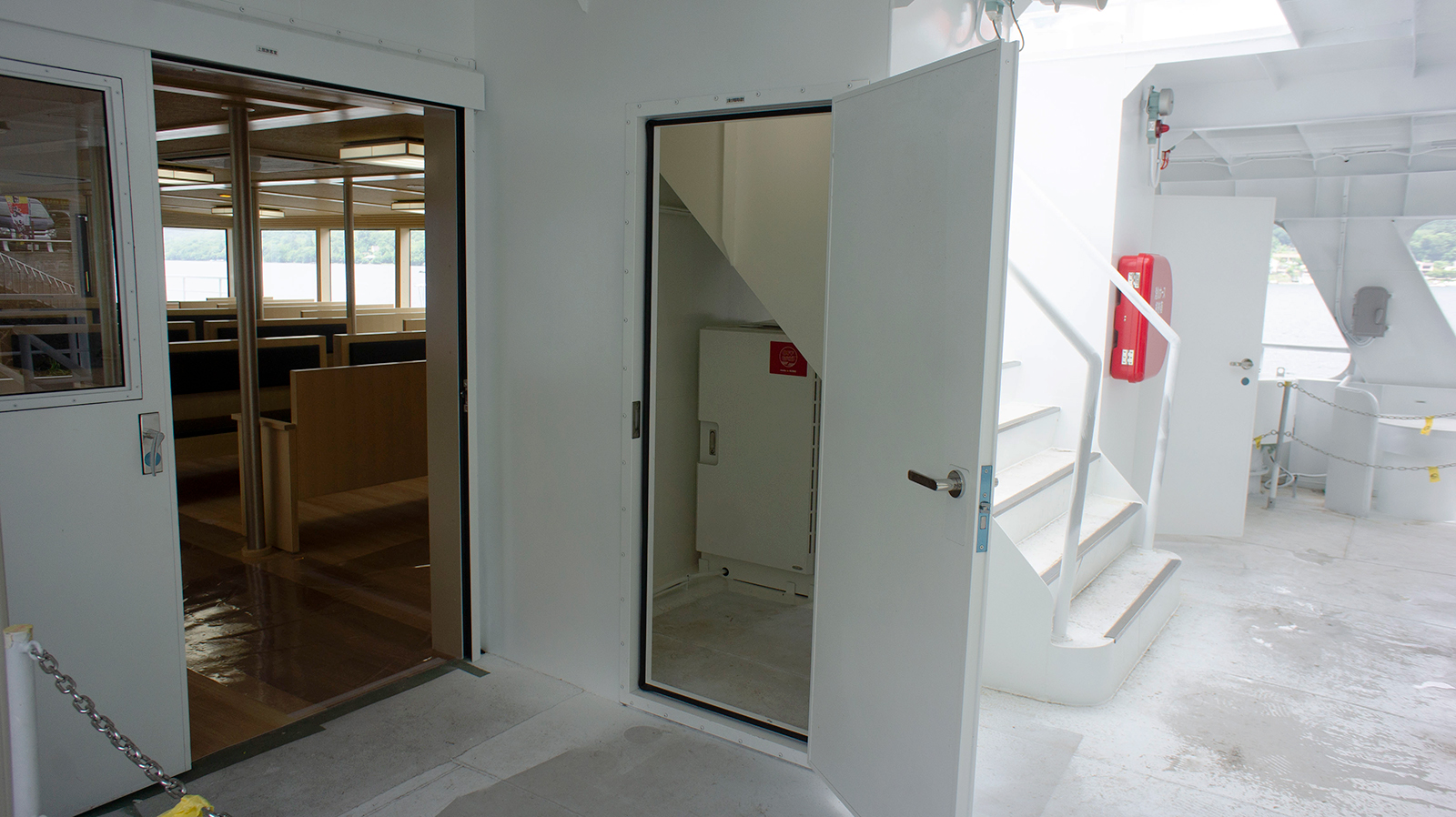
A marine power system operates under conditions unlike those of a land-based solar installation. Solar exposure, ultraviolet radiation, rain, humidity, low temperatures, vibration, vessel inclination, extended seasonal lay-up, and limited maintenance space affect the system simultaneously.
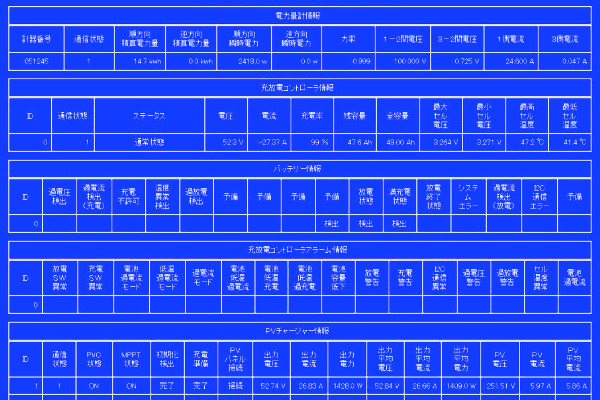
Battery performance rated for 20,000 cycles is an important foundation for long-term operation. Battery life alone, however, does not make a passenger-vessel power system viable. Solar generation, battery storage, the inverter, charge and discharge control, source transfer, protective circuits, the enclosure, and wiring must be engineered as one system and kept stable in daily operation. That system-level design has produced nearly nine years of operating experience.
- Weather resistance of solar panels and mounting points
- Reliability of DC wiring, connectors, and protective devices
- Maintainability of the battery and BMS
- Power quality delivered by the inverter
- Coordination with the existing generator
- Practical inspection and component replacement onboard
In 2026, marine decarbonization is moving toward efficient vessels and new solar technologies
Current marine decarbonization combines energy-efficient hull forms, high-efficiency propulsion plants, navigation support, energy storage, and vessel-integrated solar generation. Multiple technologies are increasingly being engineered together.
New lightweight and installation-flexible solar technologies are also being mounted on vessels, with development programs evaluating weather resistance, vibration, attachment methods, DC power handling, connection to onboard electrical systems, and safety measures.
Marine implementation is not achieved merely by installing solar cells on a deck. The generated power must be stored and converted to stable voltage and frequency, supplied safely to onboard loads, and managed through changing weather and operating conditions. A complete power system is required.
On Nantai, beginning with its entry into service in 2017, solar generation, battery storage, an inverter, auxiliary input from the onboard generator, and power delivery to passenger equipment were implemented as one system. Its distinguishing feature is operation beyond the development or demonstration stage, with nearly nine years of use in routine passenger service.
| Stage | Marine solar activity | Primary technical elements |
|---|---|---|
| Development and demonstration | Installing new solar-cell technologies on vessels | Weather resistance, vibration, attachment, DC power, and onboard receiving equipment |
| Routine operation | Used for passenger-service power since 2017 | Generation, storage, conversion, power quality, and backup input |
System integration matters more than CIS versus perovskite
The type of solar cell affects generating area, weight, conformity to curved surfaces, weather resistance, and installation method. But the generating element alone does not produce usable onboard power.
Solar cells
  ↓
Attachment, mounting, waterproofing, and wiring
  ↓
DC protection and receiving equipment
  ↓
Battery and BMS
  ↓
Inverter and power quality
  ↓
Coordination with the existing generator
  ↓
Onboard loads, operation, and maintenance
The value of Nantai is not limited to its use of CIS solar cells. The system extends through source transfer during generation shortages to the AC power passengers actually use, and it has continued to operate as part of the vessel.
For existing vessels and small passenger craft, not only newbuilds
Marine decarbonization is not limited to large newbuilds. Passenger vessels, sightseeing craft, workboats, research vessels, and port facilities all have electrical loads that can be separated from propulsion, including outlets, lighting, communications, monitoring, instrumentation, refrigeration, and office equipment.
Separating these loads and combining solar generation, battery storage, shore power, and existing generators can reduce engine and generator operating hours, lower noise and exhaust at berth, improve power quality, and support independent emergency operation.
Integrate solar cells, wiring, receiving equipment, and battery compartments from the vessel-design stage.
Select loads that can be separated from propulsion and migrate them to independent power in stages.
Maintain communications, lighting, and information equipment when shore power or the generator is unavailable.
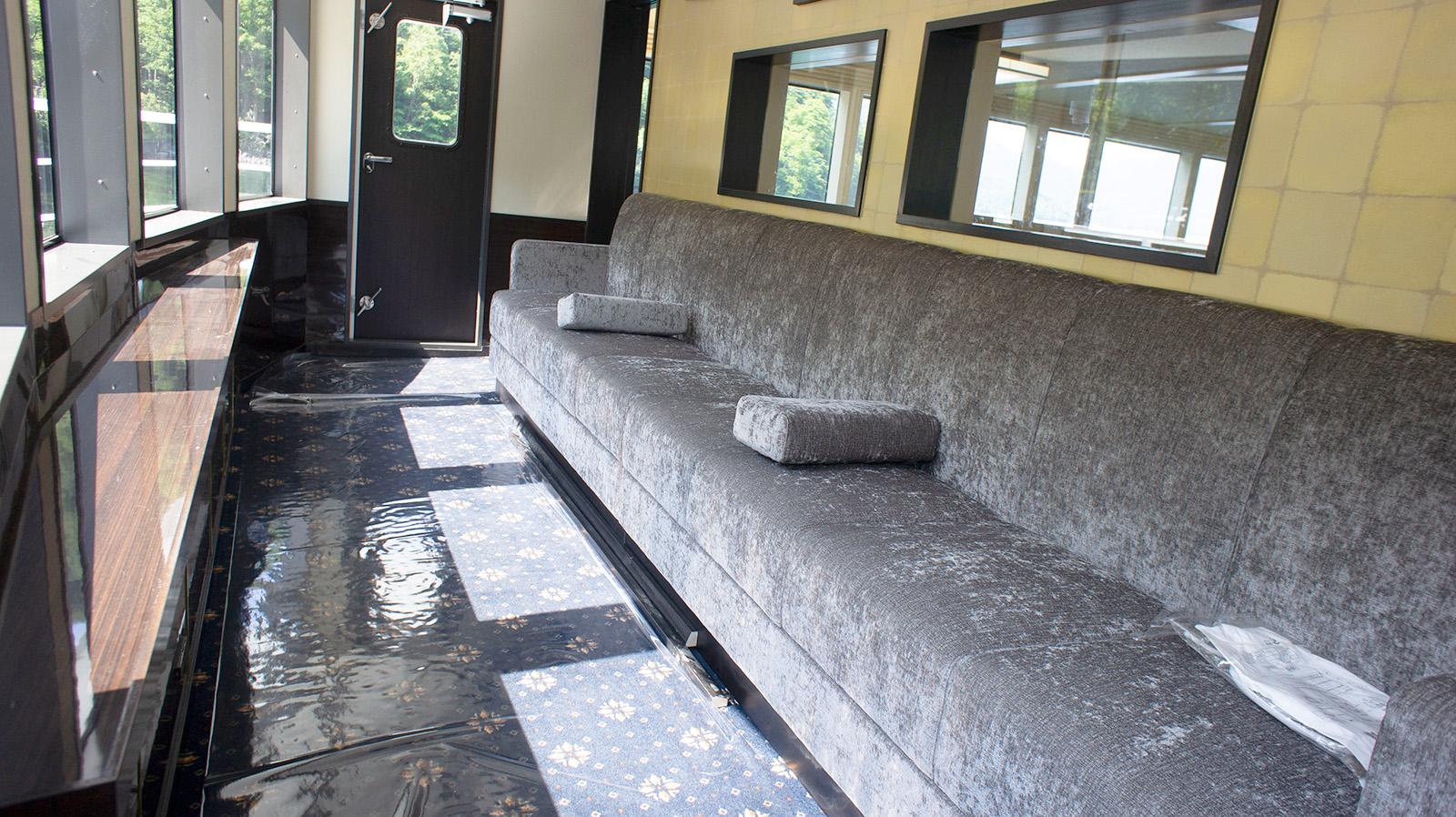
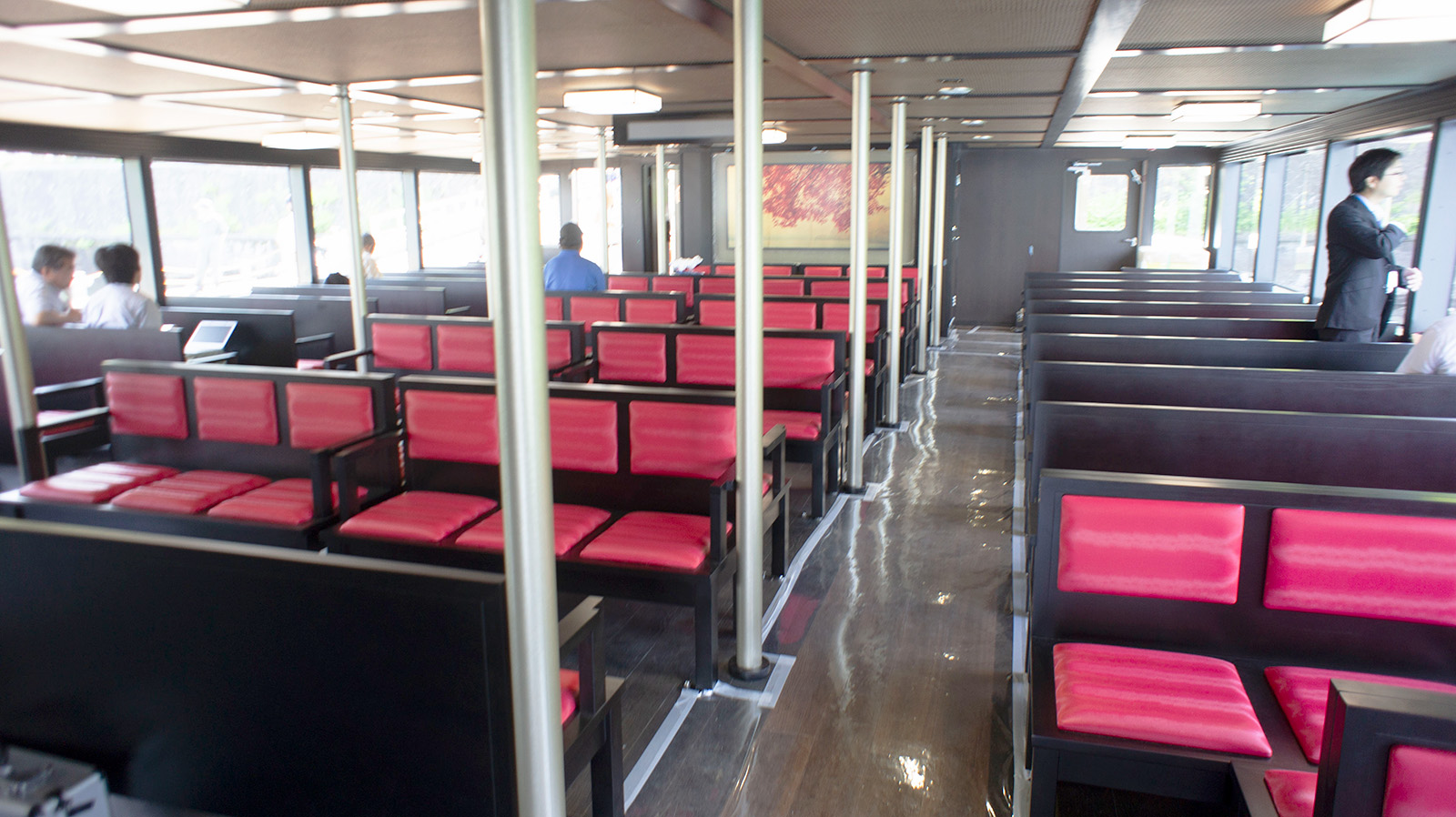
Deployment Summary
| Vessel | Lake Chuzenji sightseeing vessel Nantai |
|---|---|
| Entry into service | August 10, 2017 |
| Passenger capacity | 400 (312 passenger seats, including a private observation room) |
| Vessel dimensions | 24 m long, 8.8 m wide |
| Main engines | 254 kW × 2 |
| Power system | Personal Energy BMS576 |
| Solar | CIS compound type, 4.2 kW |
| Storage capacity | 2.4 kWh |
| AC output | Maximum 3 kW |
| Loads supplied | 52 passenger outlets, cabin LED lighting, and Wi-Fi |
| Auxiliary input | Onboard generator input, rectified and power-converted before supply |
| Operating record | Nearly nine years from 2017; scheduled service continues in 2026 |
References
- Kei Communication Technology Inc., “Japan’s First Solar Off-Grid Passenger Vessel Enters Service on August 10” (August 10, 2017; Japanese)
- Nikkei XTECH, “Solar Off-Grid System Built for a New Sightseeing Vessel on Lake Chuzenji, Nikko” (August 15, 2017; Japanese)
- Lake Chuzenji Cruise official website (Japanese)
- Lake Chuzenji Cruise official X account (2026 Nantai operating information; Japanese)
- Ministry of Land, Infrastructure, Transport and Tourism, “Energy-Efficiency Equipment for a New Ferry and Technology Development for Installing Perovskite Solar Cells on Vessels” (March 31, 2026; Japanese)
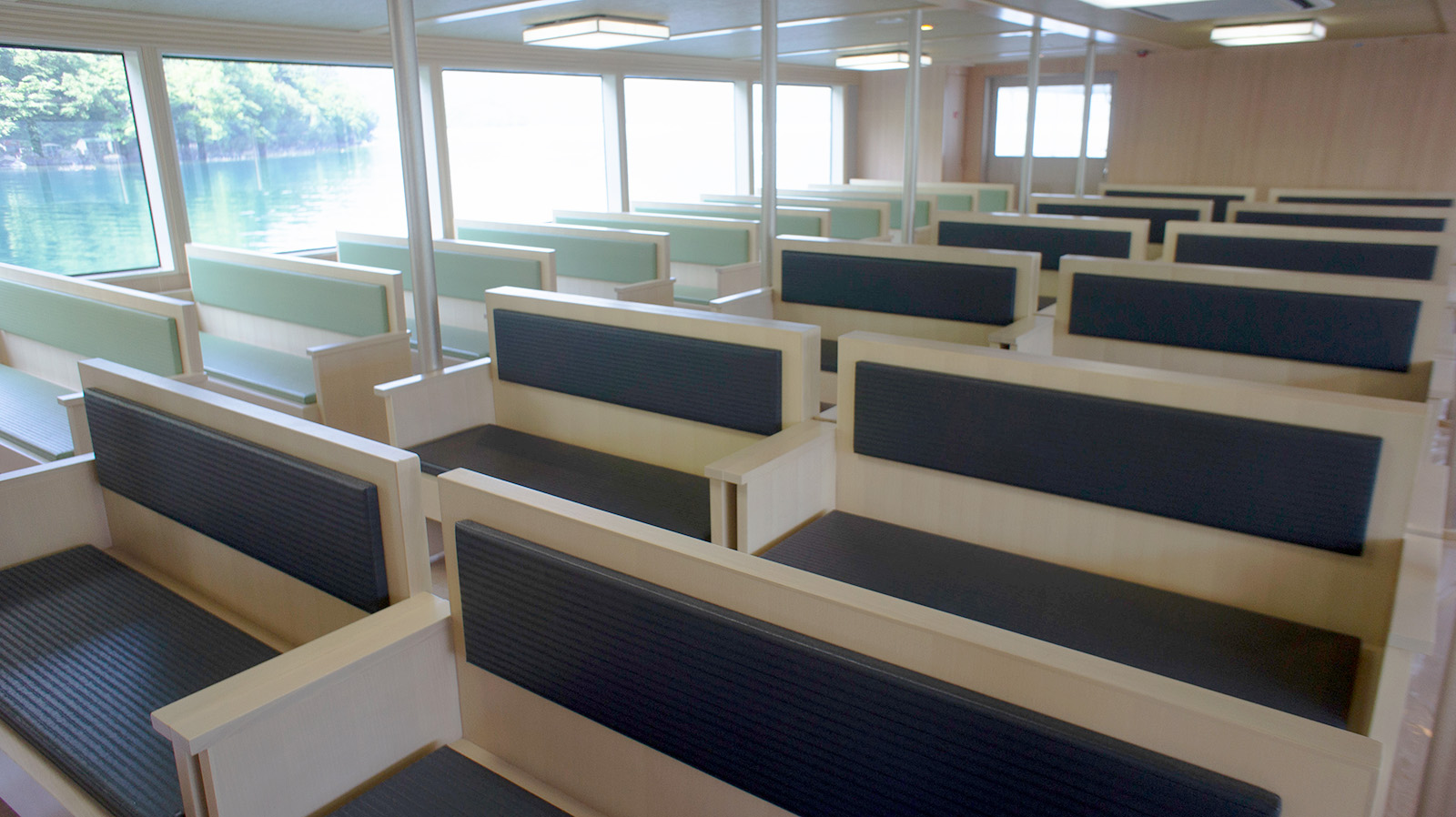
“Japan’s first passenger vessel” reflects the wording of our 2017 announcement. Photographs are from materials published with the 2017 press release.
Revision History
| 2026-07-26 | English page published. |
|---|---|
| 2026-09-25 | Synchronized with the Japanese CaseSpec V9.1 source, including Case Answer, scope and constraints, current deployment facts, references, related articles, and Case Stock output. |