Shipboard power is not the same as a land-based outlet
On vessels, generators, inverters, three-phase buses, ungrounded systems, line-to-line voltage and DC24V or DC48V systems can overlap. Even if AC220V or AC230V is available, it may not match the L/N/E and grounding assumptions of ordinary electronic equipment.
UPS systems, communications equipment, sensors, control devices, navigation-support electronics and ROV peripheral equipment can be affected by momentary interruptions, voltage fluctuation, inrush current after restoration and behavior specific to ungrounded systems.
Marine power BCP starts with input conditions, grounding, transfer time, DC power and maintainability before capacity.
Common marine power problems
Shipboard power requires a different troubleshooting frame because generators, load variation, ungrounded systems, line-to-line voltage and DC power interact.
Generator transfer and load-step interruptions
Generator switching, large load steps and restoration inrush current can reboot UPS systems, communications equipment and controls.
Line-to-line voltage from three-phase buses
AC220V obtained from two lines of a three-phase bus may differ from the grounding conditions expected by single-phase L/N/E input equipment.
Ungrounded systems and electronics
Line-to-ground voltage and noise conditions can destabilize PFC power supplies, UPS systems, measuring instruments and communications equipment.
DC24V and DC48V interruptions
Communications equipment, sensors, control panels and network devices can stop not only from AC problems but also from DC dips or interruptions.
ROV and USV peripheral shutdown
Unstable vessel-side power can interrupt ROVs, underwater cameras, USV charging systems, data loggers and communications devices.
Failures that leave little evidence
Short interruptions and voltage events are hard to reconstruct later. Logs, measurement and UPS-side state records are essential.
Marine Power / BCP Design
Start by identifying equipment that must not stop.
Communications devices, DC loads, control equipment, ROV support equipment and USV charging systems require different hold times and input conditions. We can review the power architecture before quotation or procurement.
Three pillars: vessels, USVs and ROVs
Vessels
Shipboard electronics
Protect navigation support, communications, monitoring, control panels, onboard networks and DC power systems from interruption and voltage fluctuation.
USV
USVs and unmanned surface vessels
Design not only for navigation control but also communications, positioning, charging, reserve power, remote monitoring and data logging.
ROV / Survey
ROVs and marine survey systems
Reduce shutdown risk for vessel power, shore power, ROV feeding, underwater cameras, buoys, sensors and loggers.
Design checklist
| Item | What to verify |
|---|---|
| Input power | AC100V, AC220/230V, three phase, line-to-line voltage, generators, shore power and inverters |
| Grounding | Ungrounded or high-resistance systems, line-to-ground voltage, N/E conditions and leakage monitoring |
| Loads | PFC power supplies, communications equipment, controls, sensors, ROV/USV peripherals and DC loads |
| Hold time | Momentary interruption ride-through, restoration delay, generator transfer, survey continuity and return-to-port operation |
| Environment | Salt, humidity, condensation, vibration, temperature, drip protection, enclosures and maintenance access |
| Logs | Stop time, voltage events, UPS state, SNMP monitoring, remote notification and data for recurrence prevention |
Why Personal Energy fits marine power BCP
AGM reduces fire-risk concerns
A non-lithium AGM architecture helps explain safety, storage, transport and long-standby use in humid or salt-adjacent environments.
No-break output protects continuity
During generator transfer or short interruption, communications, sensors, controls and ROV peripherals can remain powered.
Portable, expandable and solar-ready
Portable deployment, hot-swap expansion and solar integration support vessels, docks, coastal stations and remote islands.
Portable UPS / No-break Power / Personal Energy
Use a portable no-break UPS to protect marine-side availability.
Personal Energy is a portable UPS architecture designed for no-break output, long hold time and hot-swap expansion. It can support communications devices, sensors, ROV peripherals, control equipment and other loads that must not stop.
Marine articles, case studies and FAQ
Marine power BCP for vessels, USVs and ROVs cannot be judged by a product page alone. This section collects shipboard-power articles, field case studies, USV/ROV references, Engine UPS and related monitoring infrastructure.
Marine Cases
Case studies related to vessels, marine sites and islands
Field records related to salt exposure, marine structures, island energy and autonomous operation are presented as OGP-style cards.
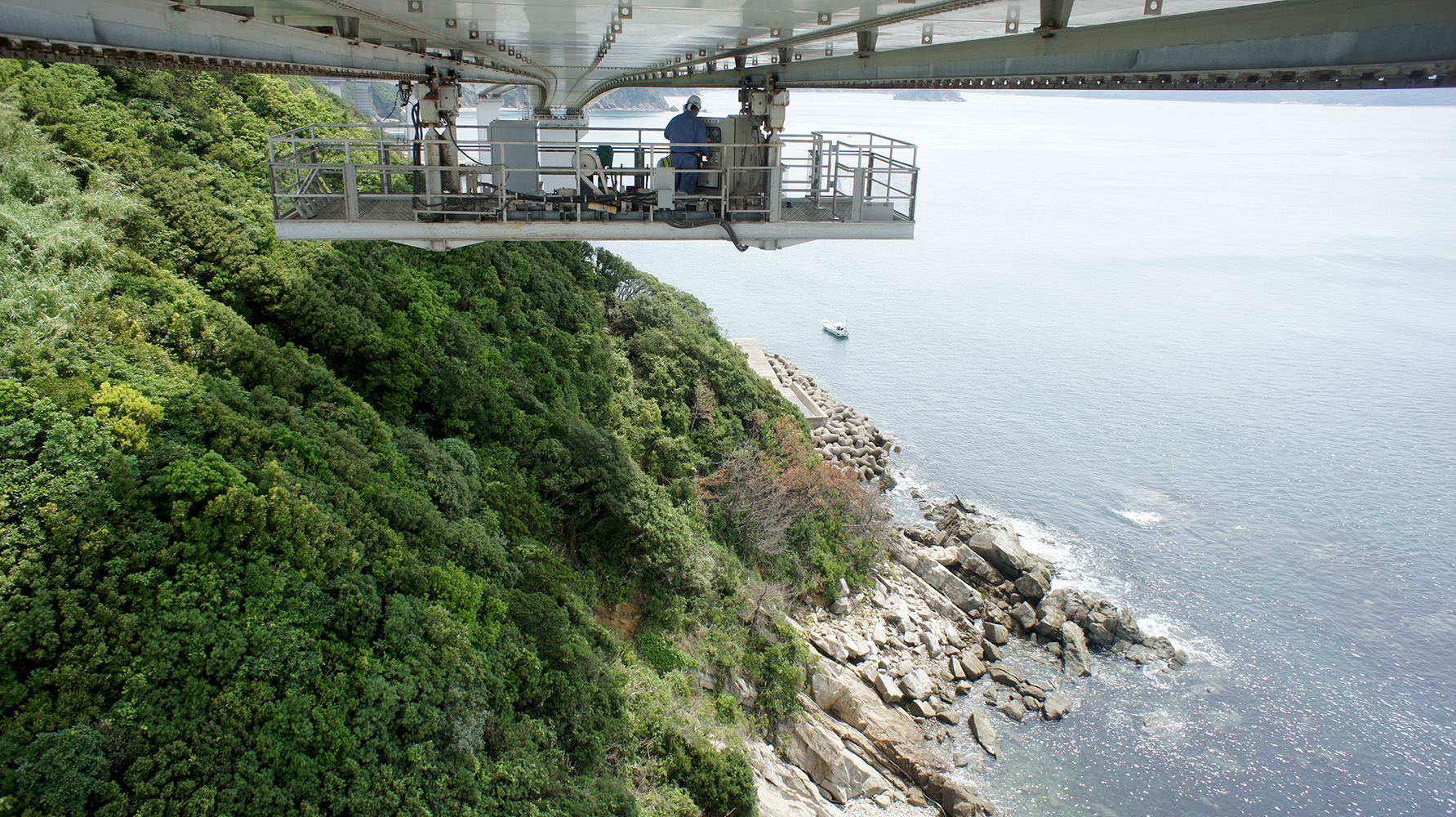
Mobile power on the Honshu-Shikoku bridge system
A portable power system operating for twelve years in a harsh marine and salt-exposure environment. Japanese.
Read case →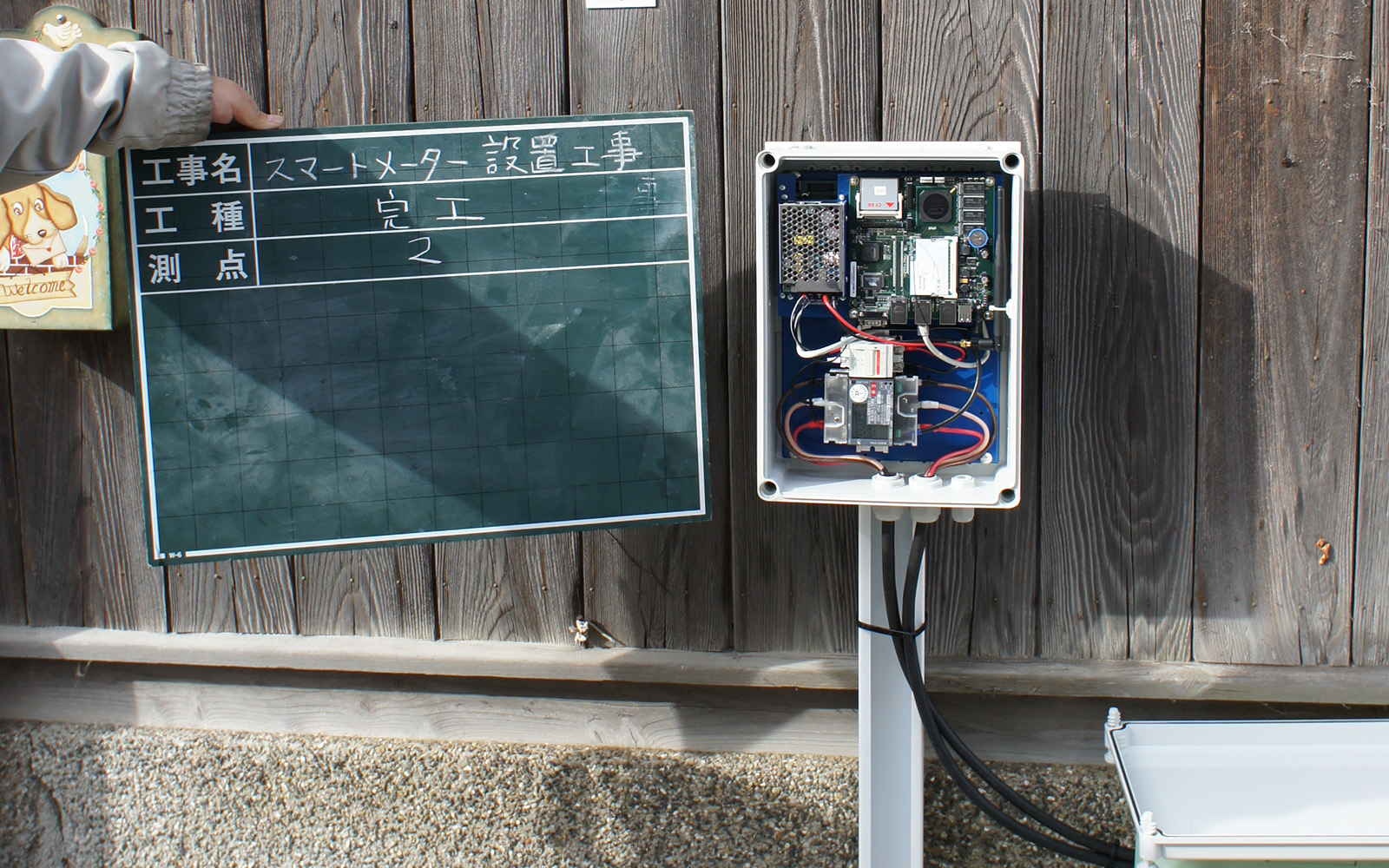
Nushima smart-grid demonstration
One-second electricity data, SNMP, Smart Meter and Personal Energy on an island field.
Read case →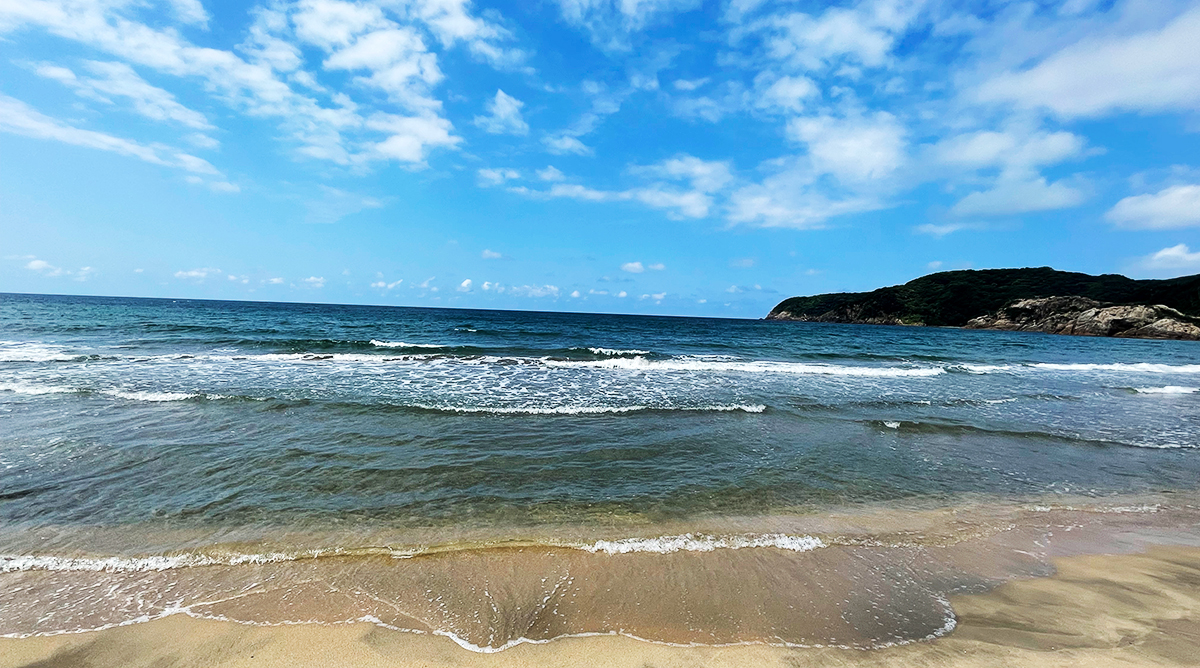
Off-grid sightseeing vessel on Lake Chuzenji
Scheduled as a marine off-grid case study.
Marine Articles
Shipboard power, USV and ROV technical articles
These article cards collect practical topics such as ungrounded systems, generator transfers, line-to-line voltage, USV power and ROV power.
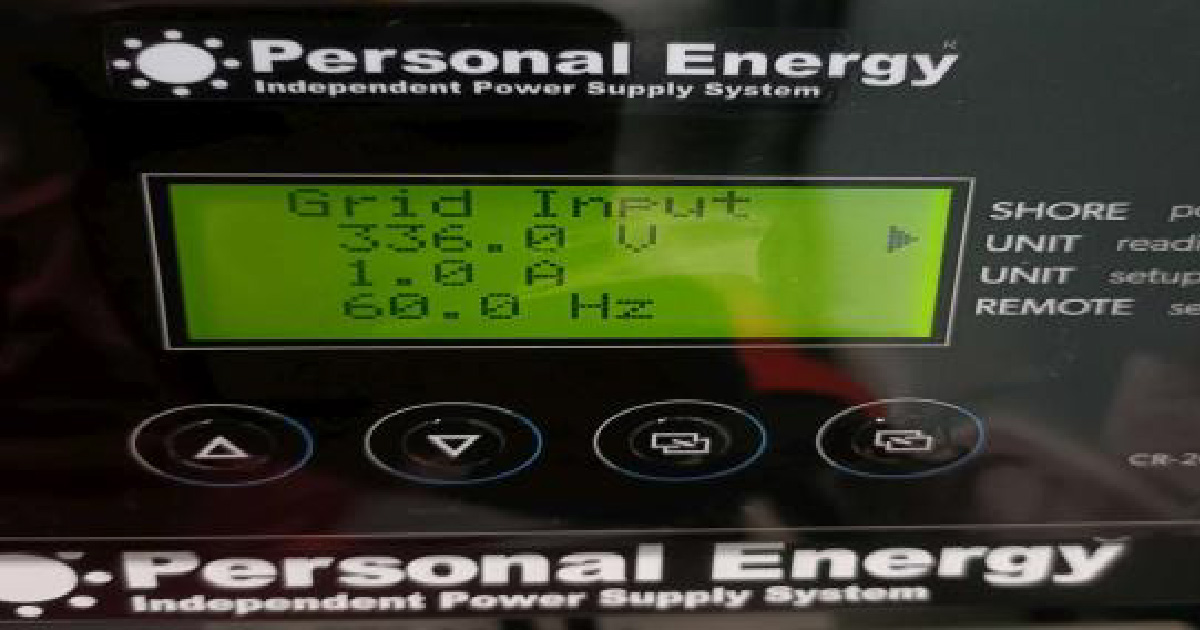
Marine UPS alarms and shipboard power problems
Troubleshooting UPS behavior on vessels. Japanese.
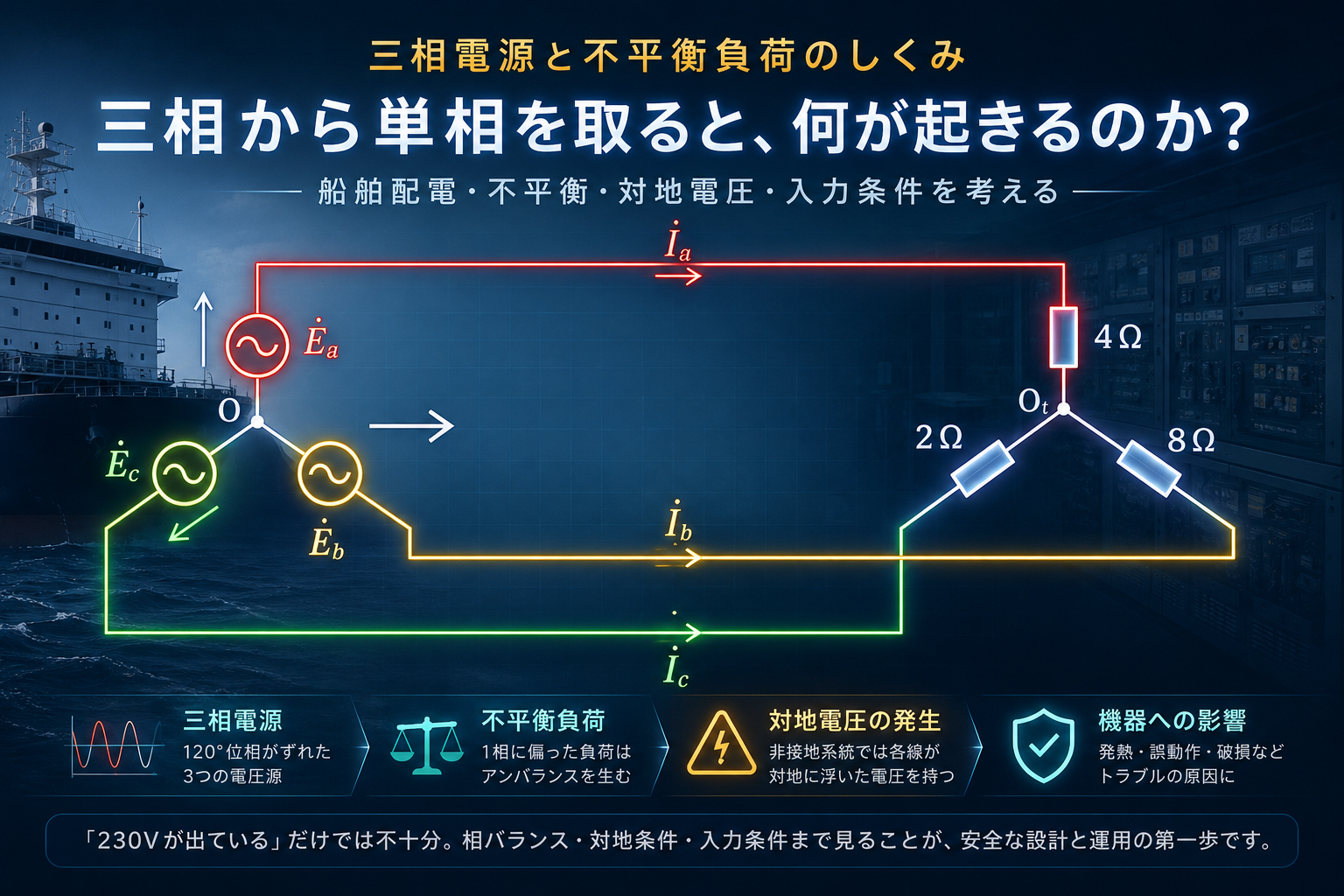
Is line-to-line voltage the same as single-phase power?
A practical note on marine 220/230V and ungrounded systems. Japanese.
Power architecture for USVs and autonomous marine platforms
Communications, positioning, charging and reserve power for unmanned surface vessels. Japanese.
Power solutions for ROV survey operations
Mothership power, shore power, ROV feeds and survey continuity. Japanese.
Products / Technical Background
Products, glossary and monitoring infrastructure
Ride-through and hold-up power around generators and engine systems. Japanese. Personal Energy portable UPS
No-break output, long hold time and hot-swap expansion. What is a USV?
Basics of unmanned surface vessels. Japanese. What is an ROV?
Underwater robots, mothership feeds and survey operation basics. Japanese. SNMP monitoring
Remote status acquisition and troubleshooting infrastructure. IEEE 802 technical background
Communications, OUI, Ethernet, wireless LAN and monitoring background. Japanese.
How is marine UPS design different from ordinary land-based UPS design?
It must verify generators, ungrounded systems, line-to-line voltage, DC systems, transfer behavior and maintainability, not only wattage or battery capacity.
What must be considered for USVs?
Communications, positioning, remote monitoring, charging, reserve power, maintenance and data logging. Power loss can interrupt observation, security or inspection operations.
Can you coordinate with ROV or USV manufacturers?
Yes. We can review input conditions, power consumption, operating time and installation environment, and coordinate technical discussions with equipment manufacturers when necessary.
Marine Power BCP
Review the power architecture for vessels, USVs or ROVs
Input power, loads, hold time and installation environment define the practical architecture for UPS, DC power, Engine UPS, portable power and remote monitoring.